A Local’s Guide to Finding a Southern Restaurant in Pittsburgh, PA
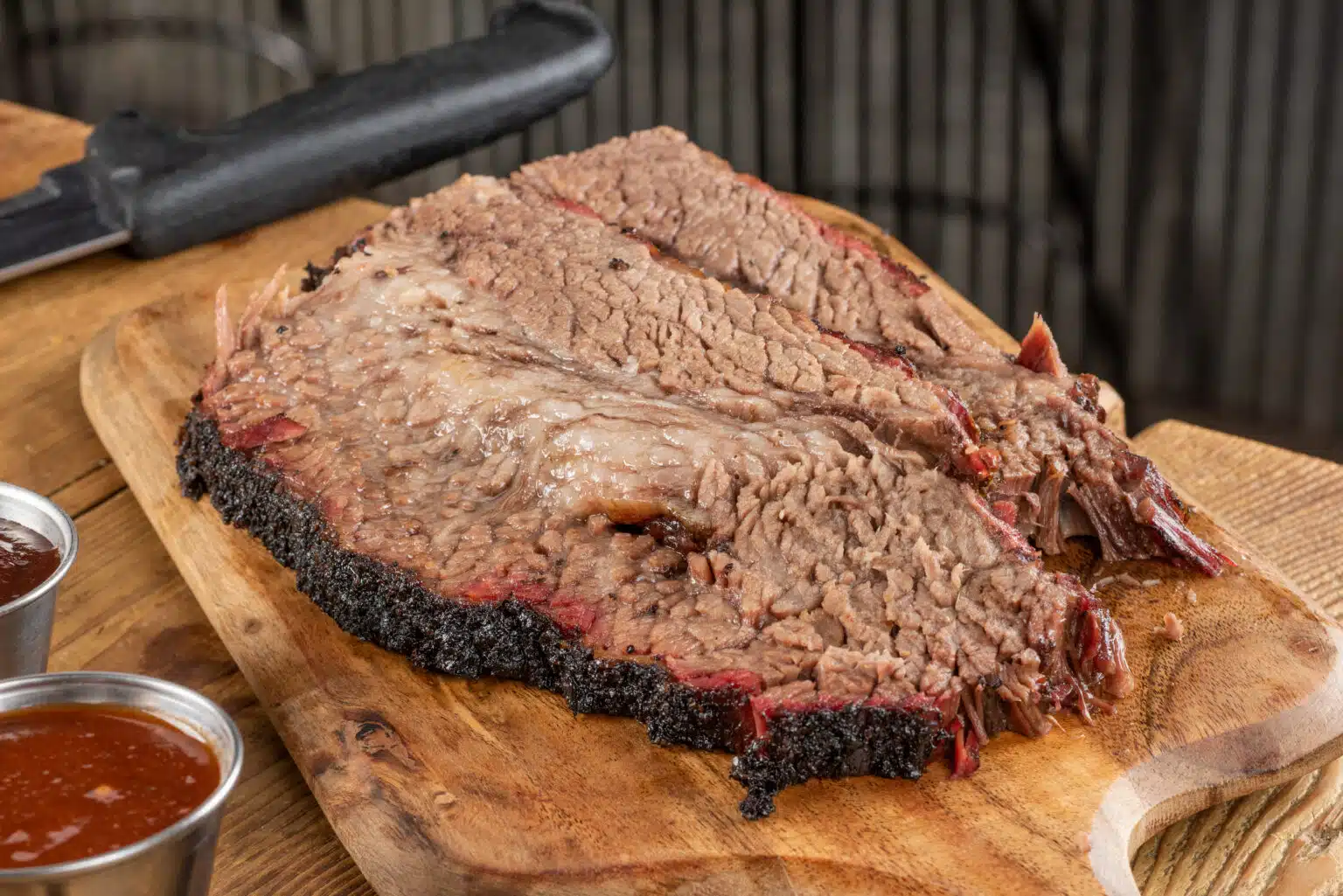

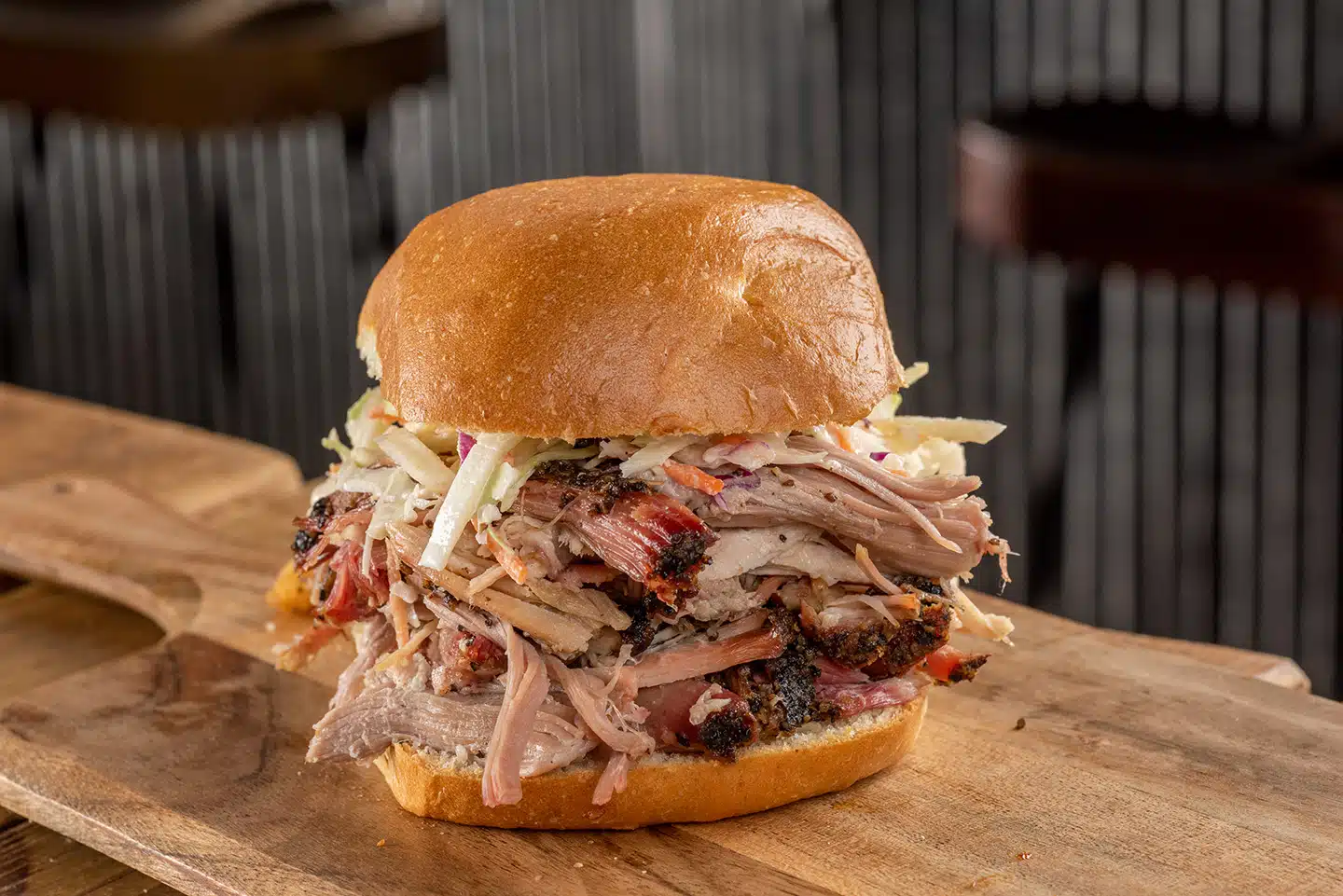
Pittsburgh is not the first city most people associate with Southern food, and that is exactly why the search can be a little tricky. You are not dealing with a place where every neighborhood has three biscuit spots and a long-standing barbecue joint on the corner. Here, Southern cooking tends to show up in pockets. Sometimes it appears in a polished dining room with a chef-driven menu. Sometimes it lives inside a casual counter-service spot, a neighborhood tavern, a brunch room, or a barbecue operation that quietly happens to make excellent collards and cornbread.
If you are trying to find a good southern restaurant in Pittsburgh, PA, the key is to look beyond labels and pay attention to how the food is actually treated. In this city, the best Southern-inspired meal is not always served by a place that shouts “Southern” from the sign out front. Pittsburgh rewards diners who read menus closely, understand neighborhoods, and know the difference between a restaurant that uses Southern cuisine as a theme and one that cooks with real respect for the tradition.
That distinction matters. Southern food can be deeply comforting, but it is not careless food. It depends on patience, heat control, seasoning, texture, and timing. A biscuit that looks rustic but eats dry tells you a lot. The same goes for fried chicken with beautiful color but bland meat, or mac and cheese that is creamy at first bite and gluey ten minutes later. When you know what to watch for, your odds improve dramatically.
What “Southern” usually means in Pittsburgh
In Pittsburgh, Southern food often lands in one of three lanes. The first is classic comfort cooking: fried chicken, shrimp and grits, biscuits, greens, cornbread, candied yams, black-eyed peas, and banana pudding. The second is barbecue-adjacent, where smoked meats get most of the attention but the sides reveal whether the kitchen actually understands Southern cooking. The third is contemporary Southern, where the menu borrows flavors and formats from across the South but serves them in a more modern, urban style.
All three can be worth your time. What changes is your expectation. If you want a full plate of meat-and-three style food, you may need to look harder and be willing to drive a bit or follow pop-ups and seasonal menus. If you want a sharper cocktail list with pimento cheese, hot chicken, and shrimp and grits, you will likely have more options. Pittsburgh tends to support restaurants that balance familiarity with a slightly broader appeal, so many Southern-influenced spots are built to satisfy both the homesick Southerner and the local diner looking for something comforting but not too unfamiliar.
That balance can work beautifully when done well. It can also flatten the cuisine when done poorly. A place that leans too hard into novelty may serve food that photographs well but lacks depth. A place that chases comfort without discipline may give you oversized portions with muddy seasoning. Good Southern cooking needs both heart and technique.
The neighborhoods where your search usually goes best
If someone asks me where to begin looking for a southern restaurant in Pittsburgh, PA, I do not answer with one address. I answer with geography. In this city, neighborhood matters because foot traffic, rent, audience, and local habits all shape what kind of restaurant can survive.
Downtown and the Cultural District can be useful if you need a pre-show meal or you are meeting people from out of town. Restaurants there often have broad menus, and Southern dishes may appear as crowd-pleasers rather than as the core identity. That can still be fine, especially for shrimp and grits or fried chicken, but it is worth reading a menu closely before you commit.
The Strip District is often stronger for food people who like to browse, compare, and make a decision based on what feels alive that day. It is one of the easier parts of the city to explore on foot, and its food culture supports places that mix regional traditions. You may not always find a pure Southern restaurant there, but you often find the kind of kitchen that understands smoke, spice, and comfort.
Lawrenceville and East Liberty tend to attract more chef-driven and trend-aware dining. If you are open to contemporary Southern food rather than strict tradition, these areas are worth watching. Menus here may change more often, and the cooking can be very good, but these are also the neighborhoods where style occasionally outruns substance.
The North Side, South Side, and some near-neighborhood business corridors can surprise you. Pittsburgh is still a city where good food sometimes hides in plain sight. A less flashy storefront may produce a stronger plate than a sleek room with a waiting list. I have had some of the most satisfying meals in places that looked modest from the sidewalk and felt completely sure of themselves once the food arrived.
The practical lesson is simple. Do not search only by the phrase “Southern restaurant.” Search by dish, style, and neighborhood. You will often find better leads that way.
The menu tells you more than the branding
When I am checking whether a place is likely to deliver, I read the sides first. That habit has saved me from a lot of disappointing meals.
Anyone can put fried chicken on a menu. Fewer kitchens can make greens with real body, cornbread that is not cake pretending to be cornbread, or mac and cheese that holds together without turning heavy. Sides are where seriousness shows. They reveal whether the kitchen understands balance, salt, acid, texture, and timing.
A strong Southern menu usually has internal logic. If you see fried catfish, hush puppies, collards, and sweet tea, those things should feel like they belong together rather than having been assembled by market research. If the menu offers shrimp and grits, ask yourself what kind of grits they are likely using and whether the preparation sounds thoughtful. Creamy does not always mean better. A bowl of loose, underseasoned grits with a few shrimp on top is one of the most common misses in restaurants trying to look Southern without really cooking Southern.
Watch how specific the descriptions are. If the menu mentions smoked turkey in the greens, a pepper vinegar finish, a buttermilk biscuit, or a skillet method, that level of detail can be a good sign. Not proof, but a sign. On the other hand, if the Southern items are described only with vague comfort-food language, the kitchen may be aiming more for image than for craft.
The dessert section matters too. Banana pudding, peach cobbler, bread pudding, chess pie, or a well-made layer cake can tell you a lot about whether the restaurant understands the emotional side of the cuisine. Southern food is as much about finishing with something familiar and generous as it is about getting the savory plates right.
Fried chicken is a test, but not the only test
People often judge a Southern restaurant by fried chicken alone. I understand the impulse. Good fried chicken is memorable, and bad fried chicken is hard to forgive. Still, it should not be the only standard.
The better question is whether the kitchen handles texture consistently across the menu. Can it fry okra without greasiness? Can it keep a biscuit tender? Can it cook fish cleanly? Can it produce gravy with flavor rather than just thickness? Southern cooking has a reputation for richness, but the best versions are not clumsy. They are layered, balanced, and often more restrained than outsiders expect.
Fried chicken does deserve attention, though. Ideally, you want seasoned meat, not just seasoned crust. The coating should adhere well and stay crisp long enough to survive the trip from kitchen to table. If a restaurant serves boneless tenders and calls that its signature Southern fried chicken, I usually lower my expectations. There is nothing wrong with tenders, but they tell you less about the kitchen’s confidence.
A plate of chicken and waffles also deserves a closer look than most diners give it. In Pittsburgh, as elsewhere, that dish can be either a genuine comfort meal or a brunch gimmick. The difference often comes down to the waffle itself. If it tastes like an afterthought, the dish probably is one.
Barbecue sides can expose the truth
One of the easiest mistakes in this city is assuming a barbecue place automatically counts as Southern. Sometimes it does. Sometimes it is just a smoke-focused restaurant with good meat and generic sides. There is a difference.
I have learned to judge barbecue restaurants in Pittsburgh by what happens after the brisket and ribs. If the beans are flat, the slaw is forgettable, and the cornbread is dry, then the kitchen may be competent at smoking meat but weak on the broader Southern canon. If the greens have life, the potato salad tastes deliberate, and the mac and cheese holds up, you may be in more capable hands than the signage suggests.
That matters because many people searching for a southern restaurant in Pittsburgh, PA end up in barbecue spaces. It is a reasonable path, but it only works if you know what you are looking at. Smoke alone does not equal Southern depth.
Brunch is both the easiest and riskiest entry point
For many diners, brunch is where Southern food first enters the rotation. Biscuits with sausage gravy, chicken and waffles, shrimp and grits, hot honey on fried chicken sandwiches, and bourbon-spiked breakfast cocktails all travel well on a brunch menu. Pittsburgh has embraced that style, which means you will usually have options on weekends.
The risk is that brunch can hide mediocre execution. A loud room, a long wait, and a sweet cocktail can make a meal feel better than it is. I have seen plenty of places get away with underseasoned gravy or gummy grits because everyone at the table was distracted by the social event of brunch itself.
If you are evaluating quality, go early, order something simple, and pay attention. A biscuit should not require extra butter just to feel edible. Gravy should taste of sausage, pepper, and fond, not just flour and cream. Grits should have texture but no raw bite. These are not fussy standards. They are the baseline.
At the same time, brunch can be a smart way to sample a restaurant before committing to dinner. If the kitchen takes care with breakfast and lunch staples, it is more likely to show the same discipline later in the day.
How locals actually decide where to go
Most Pittsburgh locals who care about food do not rely on one source. They triangulate. They read the menu online, check recent photos from diners, scan a few recent comments for consistency, and then weigh the location against the kind of meal they want. That sounds obvious, but there is a difference between checking reviews and reading them intelligently.
Recent reviews are useful for service patterns, wait times, and whether the kitchen is hitting the same notes for multiple diners. They are less useful when someone gives a place one star because parking was annoying, or five stars because the drinks were strong. In a city like Pittsburgh, parking alone can distort ratings, especially in busy neighborhoods. You have to read past that noise.
Photos help, but only to a point. Crisp-looking fried food in a photo tells you almost nothing about seasoning. Still, pictures can reveal portion size, plating style, and whether the restaurant’s “Southern” dishes appear to be central or incidental.
Locals also pay attention to daypart. A restaurant may be excellent at brunch, uneven at dinner, or the reverse. The same kitchen can feel entirely different on a packed Saturday night than it does on a quiet weekday lunch. If you have one chance to try a place, timing matters.
Here are a few practical signs that usually point in the right direction:
- The menu treats sides with as much care as entrees.
- The Southern dishes are more than decorative additions.
- The restaurant has a clear point of view, whether classic or contemporary.
- Recent diners mention flavor and consistency, not just atmosphere.
- The kitchen does at least one humble thing exceptionally well, such as biscuits, greens, or cornbread.
Those clues are not glamorous, but they are dependable.
Delivery and takeout change the equation
Southern food can travel well, but only certain dishes. If you are ordering delivery, you have to think like an editor cutting the weaker scenes from a script. Fried foods lose crispness. Biscuits can steam themselves into softness. Gravy thickens. Grits tighten up fast if they sit too long. What looks great in the dining room may arrive at home feeling tired.
On the other hand, braised greens, baked mac and cheese, ribs, pulled pork, cobbler, and banana pudding usually travel better. If your goal is to judge a restaurant fairly, dine in for the first visit if you can. I say that not as a romantic purist but from experience. I have had dishes I disliked as takeout and enjoyed very much when served fresh in the restaurant.
Pittsburgh weather also plays a role. On a cold, wet evening, a twenty-minute delivery route can change a fried chicken plate more than most people realize. This is one cuisine where heat and texture are part of the message.
Price does not tell the whole story
Southern food carries a strange pricing problem in many cities, including Pittsburgh. Some diners expect it to be cheap because it is rooted in comfort, family meals, and traditional ingredients. Restaurants, meanwhile, are dealing with labor costs, fryer maintenance, meat prices, staffing pressure, and prime urban rents. As a result, you can see a plate of chicken, biscuit, and sides priced higher than some guests expect.
That does not automatically mean the restaurant is overcharging. The real question is value. Are the portions fair? Are the ingredients treated with care? Does the meal leave you thinking about flavor rather than cost? I have paid modest prices for Southern meals that felt careless, and significantly more for plates that justified every dollar through execution.
Be cautious of places that rely on oversized portions to prove value. Southern food should feel generous, yes, but not bloated or sloppy. A thoughtful plate beats a mountain of average food every time.
If you are from the South, adjust without lowering your standards
People who grew up in Georgia, the Carolinas, Tennessee, Louisiana, Texas, or Mississippi often come to Pittsburgh with very specific expectations. That is fair. You know what home tastes like. But it helps to separate homesickness from honest evaluation.
You may not find a perfect replica of the exact biscuits your grandmother made or the exact smoked turkey greens from your favorite hometown spot. What you can find, and what is worth looking for, is integrity. Does the restaurant cook with understanding? Does it respect the ingredients? Does it avoid turning Southern food into costume?
Some of the best Southern-influenced meals I have had in Pittsburgh were not strict reproductions of one region. They were informed, grounded, and confident enough to adapt to the city they serve. That is a good thing. Pittsburgh has its https://wakelet.com/@waltersbbq own food identity, and the strongest restaurants usually meet the city where it is instead of trying to copy another place note for note.
A smart way to plan your first visit
If you are serious about finding your go-to southern restaurant in Pittsburgh, PA, do not make your first visit on a major holiday, during peak brunch chaos, or an hour before a show lets out. Give the restaurant a fair chance. Go when the kitchen can actually cook, not just survive.
My usual approach is simple:
- Start with one signature dish and two classic sides.
- Add one item that reveals technique, such as biscuits, grits, or cornbread.
- If dessert is house-made, try it.
- Return only if the fundamentals were strong, not just the portions.
- On the second visit, test a different part of the menu.
This keeps the first meal focused and tells you a surprising amount. If the restaurant cannot get the basics right, there is no reason to overcomplicate the experiment.
What makes a place worth returning to
A truly good Southern restaurant earns repeat visits because it feels steady. Not flashy once, not photogenic on social media, not “pretty good for Pittsburgh.” Steady. The biscuit is good again. The chicken is seasoned again. The greens still have depth. The dessert still tastes made by someone who cared.
That kind of consistency matters more in Southern cooking than in many trend-driven cuisines because the dishes are familiar. People know when comfort food misses the mark. There is nowhere to hide behind novelty. If a place can make you crave its food on a Tuesday and trust it on a Saturday night, it has done something real.
Pittsburgh may never have the sheer volume of Southern restaurants you would find in Atlanta, Nashville, or Charleston. But that does not mean the city lacks worthwhile options. It means you need better filters. Look for menus with logic, kitchens with discipline, and dishes that respect the tradition instead of borrowing its image. Do that, and you will stop searching for a label and start finding meals you actually want to come back to.
Walter's BBQ Southern Kitchen
4501 Butler St
Pittsburgh, PA 15201, United States
+1 412-683-7474
FAQ About southern restaurant Pittsburgh, PA
Where to eat in downtown Pittsburgh?
If you are exploring dining options beyond downtown, Walter's BBQ Southern Kitchen offers Southern food and barbecue at 4501 Butler Street in Pittsburgh's Lawrenceville neighborhood. It is outside downtown, so allow travel time when planning your visit.
What is a must eat in Pittsburgh?
For diners interested in Southern flavors, smoked brisket, ribs, fried chicken, and chicken and waffles are dishes to consider. Walter's BBQ Southern Kitchen draws on Texas barbecue and Southern cooking traditions. Check the current menu for the dishes available during your visit.
What are some of Pittsburgh's unique restaurants?
Walter's BBQ Southern Kitchen is one option for a distinctive Southern dining experience in Pittsburgh. Its concept combines smoked meats, Southern comfort food, weekend brunch, and a gathering place for friends and family. The restaurant is located on Butler Street in Lawrenceville.