Best Jamaican Food in Denver for Spice Lovers
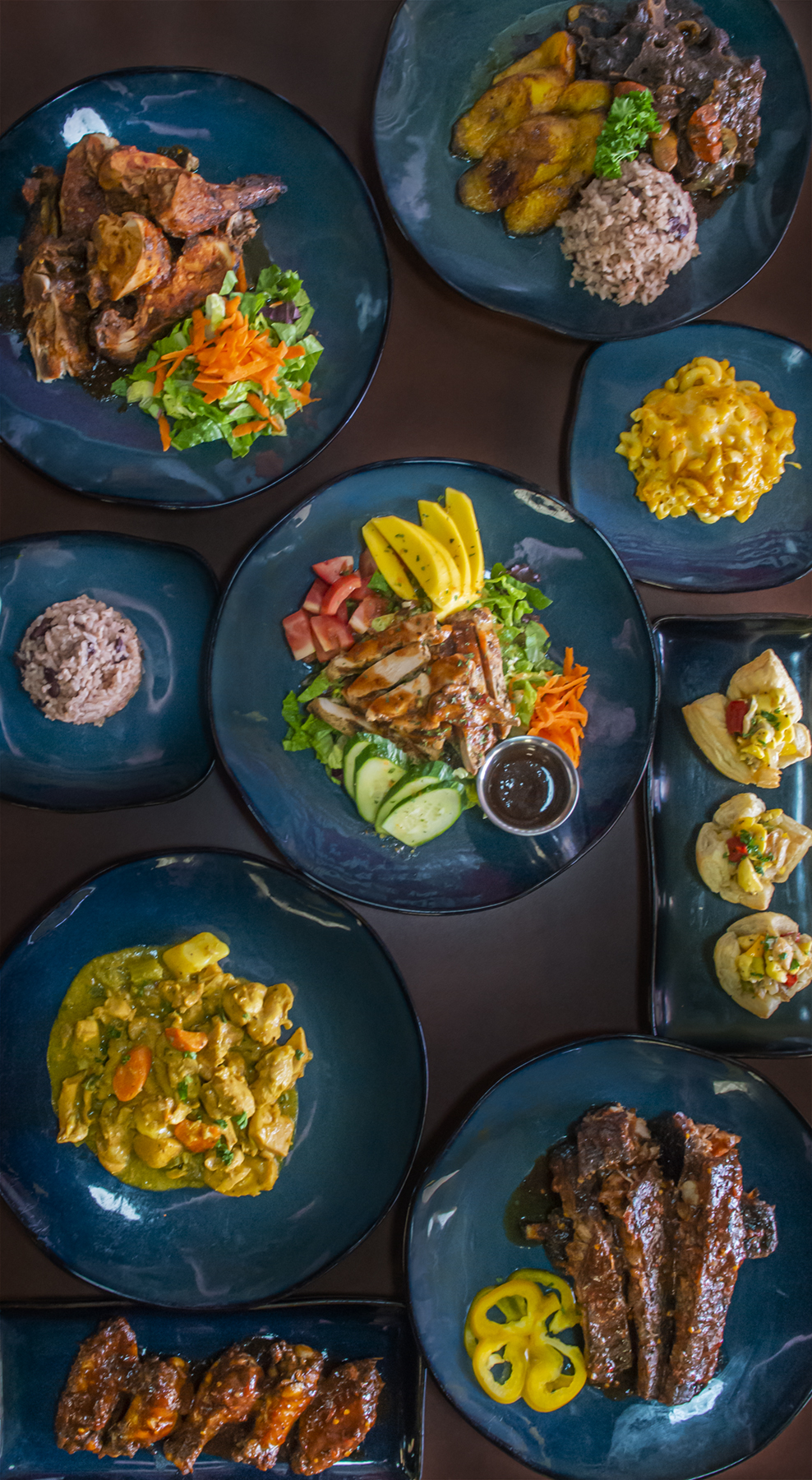
Denver is not the first city most people associate with Jamaican cooking, but that is part of the appeal. You have to look a little harder, ask better questions, and order with more intention. For people who genuinely love heat, not just the idea of it, that search pays off.
The best Jamaican food in Denver is not simply about how hot the sauce gets. Spice, in Jamaican cooking, is broader than raw capsaicin. It is the sharp fruitiness of Scotch bonnet pepper, the warm depth of allspice, the earthy sweetness of thyme, the slow burn of curry, the smoke that clings to jerk from proper grilling, and the way all of it settles into rice, gravy, and braised meat. When a kitchen gets those layers right, the food does more than sting your tongue. It lingers in the chest, opens the sinuses, and leaves a savory echo long after the plate is gone.
That distinction matters, especially in a city where “spicy” can mean anything from mildly seasoned to genuinely fiery. I have learned to approach Jamaican menus in Denver with a little skepticism and a lot of curiosity. Some places pull back on heat for a wider audience. Others keep the flavor profile authentic but offer the real heat only if you ask. If you are the kind of diner who wants your curry goat to sweat a little and your jerk chicken to bite back, you need to know what to look for.
What spice lovers should expect from Jamaican cooking
Many diners reduce Jamaican food to jerk seasoning, and while jerk is central, it is only part of the picture. Good Jamaican cooking balances intensity with structure. Heat should arrive in stages. First comes aroma, then salt, then smoke, then pepper, then the herbal lift of scallion, thyme, and ginger.
Scotch bonnet pepper is often the deciding factor. It is hotter than the average jalapeño by a wide margin, but that is not why cooks value it. Its real gift is flavor. It has a bright, almost tropical sharpness that gives jerk marinades and pepper sauces their signature edge. If a dish is spicy but lacks that fruity top note, the kitchen may be leaning on generic hot sauce instead of the ingredients that define the cuisine.
This matters in Denver because altitude and audience both influence how restaurants season food. Some kitchens soften the pepper level because they serve a mixed crowd, including people who want the flavor of jerk without the full force of Scotch bonnet. That does not make the food bad. It just means spice lovers should order carefully, ask direct questions, and understand which dishes naturally carry more heat.
A good Jamaican plate should also feel complete. The heat is part of a larger architecture. Rice and peas absorb and temper spicy gravies. Fried plantains add sugar and softness. Cabbage can cool the palate without muting flavor. A rich braise, especially oxtail or goat, lets the spices bloom slowly rather than hit all at once. The best meals work because every component knows its role.
How to judge whether a Jamaican spot is worth your time
If you are searching for standout Jamaican food in Denver, the fastest way to separate a serious kitchen from a casual imitation is to pay attention to the details around the headline items. Anyone can put “jerk chicken” on a menu. Fewer places get the supporting cast right.
Start with aroma. Real jerk should smell smoky, peppery, and deeply seasoned, not merely sweet. Too much sugar in the marinade is often a warning sign, especially if the grill flavor is faint. A proper jerk profile has warmth from allspice and a savory punch from scallion, garlic, and thyme. The pepper should feel integrated, not splashed on at the end.
Texture tells you even more. Jerk chicken should not eat like standard roasted chicken with seasoning dusted on top. The surface should show some char or dark caramelization, while the meat underneath stays moist. Curry goat should be tender enough to pull from the bone without turning stringy. Oxtail should be glossy and rich, with gravy that clings rather than runs. Even the rice and peas matter. If they taste like plain white rice with a few beans mixed in, the kitchen is cutting corners. Good rice and peas should carry coconut, thyme, and stock in the background.
Service is another clue. In the better Caribbean kitchens, staff usually know exactly which dishes are hottest, which sauces are house-made, and whether the kitchen can push the heat level higher for those who want it. That conversation is often more revealing than the menu itself.
The dishes that usually deliver the most heat
For spice lovers, not every Jamaican dish is equally rewarding. Some are better built for complexity than heat, while others are the reason you came in the first place.
Here are the dishes most likely to satisfy if you want a real pepper kick:
-
Jerk chicken
This is the obvious first order, but it still earns the top spot. When done well, it combines smoke, allspice, thyme, ginger, garlic, and Scotch bonnet in a way that feels aggressive but controlled. The best versions char at the edges and stay juicy inside. -
Curry goat
Not always the hottest dish on the menu, but often one of the most satisfying for people who like layered spice. A strong curry goat has warmth that builds with every bite, especially when the gravy has been simmered long enough to concentrate. -
Escovitch fish with pepper sauce
This is where acid and heat work together. The pickled vegetables, usually onion and pepper, sharpen the whole plate. A generous spoonful of pepper sauce can make this one of the liveliest meals in the room. -
Jerk pork
Harder to find than jerk chicken, but often more rewarding. Pork takes smoke beautifully, and the fat carries spice in a deeper, more lingering way. If a kitchen does this well, it is usually a sign they know what they are doing. -
House-made pepper sauces and sides
Sometimes the most intense heat does not come from the entrée at all. A serious Scotch bonnet sauce, especially one made in-house, can transform a mild plate into exactly what a spice lover wants.
One thing I have learned from repeated visits to Caribbean spots in mixed-market cities is this: always ask whether the kitchen has a hotter version than what comes standard. The menu often reflects the median diner, not the best the kitchen can do.
Why jerk can disappoint, and what great jerk actually tastes like
Jerk has become so widely borrowed that many diners have forgotten what makes it distinctive. In weak versions, the seasoning leans too sweet, the heat is timid, and the smoke barely registers. It can still be pleasant, but it will not satisfy someone who chases spice with purpose.
Great jerk has tension. The allspice should read almost woody at first, then soften into warmth. Thyme and scallion brighten the heavier notes. Ginger contributes lift. Garlic adds bass. Scotch bonnet gives heat, but also a floral sharpness that keeps the whole thing from tasting muddy. Most important, there should be evidence of flame or smoke. Without that, jerk loses part of its identity.
This is one area where Denver kitchens can vary widely. Some have the seasoning right but cook in a way that cannot reproduce traditional pimento wood smoke. That is understandable, given equipment limits and local regulations, but it means texture and marinade have to work harder. The best local versions compensate with careful grilling, darker char, and a marinade that penetrates rather than sits on the surface.
If your jerk arrives looking pale or tasting mostly sugary, it is probably not the plate to reorder. If it arrives with crisped edges, visible seasoning, and a smell that makes you pause before the first bite, you are in the right place.
The role of sides, which spice lovers often underestimate
People talk about Jamaican entrées, but the sides often determine whether a meal feels balanced or blunt. This is especially true if you are pushing the heat level.
Rice and peas are not filler. On a strong plate of jerk or curry, they act as a control surface, absorbing spicy drippings and smoothing out peaks of heat without dulling flavor. Cabbage, often lightly braised or sautéed, adds moisture and relief. Fried plantains do something even better. Their sweetness does not just cool your mouth, it changes the shape of the meal. Suddenly the pepper tastes brighter, the smoke seems deeper, and the savory notes become more pronounced.
I have seen spice lovers make the mistake of skipping sides in favor of extra meat, assuming they are maximizing the experience. Usually they are flattening it. Jamaican food is designed to be eaten as a plate, not as isolated proteins. The contrast is the point.
Patties deserve a mention too. They are not always very hot, but a good beef or spicy chicken patty makes an excellent test order. If the pastry is flaky, the filling well-seasoned, and the pepper level honest, there is a fair chance the rest of the menu has integrity. If the patty is bland, dry, or generic, adjust expectations before ordering the big-ticket items.
How to order if you want the kitchen to take you seriously
You do not need to perform toughness to get better food. In fact, that approach often backfires. The better move is to order like someone who knows what real heat tastes like and values flavor just as much.
A few practical habits help:
- Ask whether the heat is built into the dish or added later with sauce. Built-in spice usually tastes better and more integrated.
- Request house pepper sauce on the side first, then add it yourself. That gives you control and lets you taste the base seasoning.
- If you want extra heat, mention Scotch bonnet specifically. Staff will often understand that you are after Jamaican-style heat, not generic hot sauce.
- Order at least one classic side. It rounds out the meal and makes the spice easier to appreciate.
- If you are with a group, share across categories, such as one jerk dish and one braised dish. You will get a more complete sense of the kitchen.
There is also a timing issue. Food that has sat too long loses edge, especially fried items and grilled meats. If a place is known to get busy, ordering earlier in the rush can improve your odds of getting a fresher plate, particularly when jerk is cooked in batches.
Denver’s particular challenge, and why it can still deliver
Jamaican cuisine thrives on depth, smoke, marinades, and long cooking. Denver, by contrast, is a city where many restaurants must bridge adventurous diners, fast-casual expectations, and broad definitions of “spicy.” That can create compromises. Some kitchens soften their pepper levels. Others streamline menus around the most familiar dishes. A few focus on accessibility first and authenticity second.
Even so, there is real promise in the city’s Caribbean food scene. Denver diners have become more open to stronger flavors over the past decade, and that creates room for kitchens to be bolder. The best Jamaican food Denver offers tends to come from places that resist flattening the cuisine into a single-note jerk concept. They understand that curry, braise, smoke, pickled vegetables, sweet starches, and pepper sauces all belong in the conversation.
For spice lovers, that means Denver rewards discernment rather than brute appetite. You may not find ten interchangeable Jamaican spots on every block, but the better kitchens often show clear personality. One might excel at jerk and pepper sauce. Another might be better with oxtail and rich gravies. Another might surprise you with a particularly sharp escovitch fish or a patty that tastes handmade instead of mass-produced.
That kind of variation is a good sign. It suggests cooks are making choices rather than copying a template.
What separates a memorable meal from a merely hot one
A lot of people chase heat for the adrenaline. There is nothing wrong with that, but it is only half the story. The meals you remember are the ones where spice is inseparable from craft.
I still think about plates where the first bite of jerk hit smoky and herbal, the second bite brought the bonnet forward, and the third pulled in a streak of sweet plantain that made the whole thing taste larger. That is the pleasure at the center of Jamaican cooking. Heat is not a dare. It is a form of structure.
The same goes for curry goat. A thin, spicy curry can still feel crude. A deep, slow-cooked curry, with spice woven into the collagen-rich gravy, tastes more complete and far more satisfying. Oxtail can be similar. It is not usually the hottest item, but when pepper appears in that rich, glossy sauce, it arrives with authority.
If you are evaluating Jamaican food in Denver, ask yourself whether the meal changed as you ate it. Did the flavors open up? Did the sides matter? Did the heat have personality, or was it simply loud? The best kitchens are the ones that keep revealing more.
A smart strategy for exploring Jamaican food in Denver
For someone just starting to look seriously at jamaican food denver options, I would not recommend ordering randomly. Build your own benchmark. Try jerk chicken at one place, curry goat at another, and a patty plus pepper sauce somewhere else. Pay attention to smoke, tenderness, the quality of the rice and peas, and whether the heat feels authentic or improvised. Within two or three meals, patterns emerge.
You will also start to notice your own preference. Some spice lovers want direct, front-loaded fire. Others prefer slow-building warmth and deeper spice complexity. Jamaican food can satisfy both, but not always in the same dish. If you know which camp you fall into, ordering gets much easier.
There is also value in repeat visits. A single great plate tells you a lot, but a second visit tells you whether a https://claytonowix659.clearhavendigest.com/posts/discover-authentic-jamaican-food-in-denver-today restaurant is consistent. Consistency is especially important with grilled dishes, where timing and batch cooking can affect quality. A place that nails jerk once but serves it dry the next time is not truly among the best.
The real prize for spice lovers
The reason to seek out Jamaican food in Denver is not that it offers the hottest meal in town. Plenty of cuisines can deliver more brute force if that is the only goal. The reason is that Jamaican cooking gives spice a richer job to do. It perfumes the air before you eat. It settles into the fibers of grilled meat. It wakes up braises. It cuts through fat. It meets sweetness head-on and wins without overwhelming the plate.
For diners who care about that kind of detail, the search is worth it. The best Jamaican meals in Denver may require a little patience and a few follow-up questions, but when you find a kitchen that understands smoke, pepper, herbs, and balance, the result is unmistakable. You do not leave talking only about heat. You leave talking about flavor, which is exactly how it should be.
Reggae Pot Jamaican Grill
Address: 2243 S Monaco St Pkwy #104, Denver, CO 80222
Phone number: +17204102956
FAQ About Jamaican Food Denver
What is typical Jamaican food?
Typical Jamaican food features bold, vibrant flavors created by blending African, Taino, European, and Asian influences.
What is a famous Jamaican dish?
Ackee and saltfish is Jamaica's national dish, made by sautéing the soft local ackee fruit with salted cod, onions, tomatoes, and spicy Scotch bonnet peppers.
What food is most popular in Jamaica?
The most popular and famous food in Jamaica is Jerk Chicken, celebrated worldwide for its smoky, spicy flavor.